
Chicago AC Maintenance Tips: Get Your Air Conditioner Ready for Summer
Chicago summers are hot, humid, and brutal — and the last thing you want is your air conditioner to fail during a heat wave when HVAC companies are booked solid for days. The good news is that with the right maintenance, you can significantly reduce the risk of AC breakdowns, lower your energy bills, and extend the life of your system. This guide covers everything Chicago homeowners need to do to prepare their AC for summer.
Start Early: Schedule a Spring AC Tune-Up
The best time to service your air conditioner in Chicago is April or early May — before the first heat wave hits and before HVAC companies are slammed with emergency calls. A professional spring tune-up typically costs $80–$120 and covers everything needed to ensure your system operates efficiently and reliably all summer.
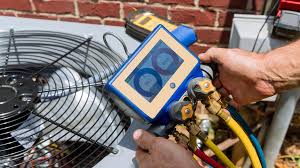
What’s included in a professional AC tune-up from AMG HVAC:
- Inspect and clean evaporator and condenser coils
- Check and top off refrigerant levels if needed
- Clean and straighten condenser fins
- Lubricate motors and moving parts
- Test capacitors and contactors
- Inspect electrical connections and wiring
- Test thermostat calibration and operation
- Clear drain line and condensate pan
- Inspect and clean blower wheel
- Check system for refrigerant leaks
- Test system operation across full cooling cycle
DIY AC Maintenance Every Chicago Homeowner Should Do
1. Change Your Air Filter Regularly
This is the single most impactful thing you can do for your AC system’s performance and longevity. A clogged filter restricts airflow, causing your system to work harder, cool less effectively, and potentially freeze the evaporator coil. In Chicago’s dusty urban environment, filters often need replacement more frequently than the manufacturer’s recommendation.
Filter replacement guidelines for Chicago:
- 1-inch fiberglass or pleated filter: every 30–60 days during summer
- 4-inch media filter: every 6–12 months
- Homes with pets or allergy sufferers: more frequently
Use a MERV 8–11 filter for the best balance of air quality and system efficiency. Avoid MERV 13+ filters unless your system is designed for them — they can restrict airflow in most standard systems.
2. Clean the Outdoor Condenser Unit
Your outdoor AC unit needs adequate airflow to release heat. After Chicago’s winters, condenser units often accumulate leaves, debris, and cottonwood seed (those white fluffy things that blow around Chicago in late spring) that can clog the fins and restrict airflow.
To clean your condenser:
- Turn off power to the unit at the disconnect box and thermostat
- Remove the top grille and carefully lift out the fan assembly
- Remove debris from inside the unit by hand or vacuum
- Using a garden hose, gently spray the fins from the inside out to remove dirt
- Never use a pressure washer — it can bend the delicate aluminum fins
- Straighten any bent fins with a fin comb
- Ensure at least 2 feet of clearance around all sides of the unit
3. Clear the Condensate Drain Line
Your AC system removes humidity from the air, and that water drains through a condensate line. In Chicago’s humid summers, this drain line can become clogged with algae, mold, and debris — causing water to back up and potentially flood your equipment room or trigger an automatic safety shutoff.
To clear the condensate drain: locate the drain line (usually a 3/4-inch PVC pipe near your indoor air handler), pour a cup of diluted white vinegar or bleach solution into the drain pan or access port every month during summer, and ensure the drain line outlet is clear and properly pitched.
4. Check and Seal Ductwork
The EPA estimates that 20–30% of air in a typical duct system is lost due to leaks, holes, and poor connections. In Chicago’s summer heat, this means your AC is working significantly harder than it should to cool your home. Check accessible ductwork in your attic, basement, or crawlspace for obvious gaps or disconnected sections, and seal with mastic sealant or metal-backed tape (not standard duct tape, which fails quickly).
5. Upgrade Your Thermostat
If you’re still using a manual or basic programmable thermostat, upgrading to a smart thermostat is one of the highest-ROI home improvements you can make. Smart thermostats learn your schedule, can be controlled remotely, and optimize cooling cycles to minimize energy use without sacrificing comfort. Chicago utility rebates and federal tax credits can offset much of the cost, and most quality smart thermostats pay for themselves in 1–2 years through energy savings.
Warning Signs Your AC Needs Professional Attention
Don’t wait for a full breakdown. Contact AMG HVAC if you notice any of these signs:
- Warm air from vents: Could indicate low refrigerant, a failed compressor, or dirty coils
- Poor airflow: Check filter first, but persistent weak airflow may indicate blower problems or blocked ducts
- Unusual noises: Grinding, squealing, or banging are never normal — turn the system off and call for service
- Ice on the unit: A frozen evaporator coil usually means restricted airflow or low refrigerant
- Water leaks around the indoor unit: Usually a clogged condensate drain, but can also indicate frozen coils thawing
- High humidity indoors: Your AC should be removing humidity as it cools — if your home feels sticky at normal thermostat settings, your system may be oversized or have refrigerant issues
- Frequent cycling: If your system turns on and off every few minutes, it may be oversized or have a refrigerant leak
When to Consider AC Replacement Instead of Repair
Like furnaces, air conditioners have a finite lifespan — typically 12–15 years in Chicago’s climate. Consider replacement when:
- Your AC is 12+ years old and needs a significant repair
- Your system uses R-22 refrigerant (which was phased out in 2020 and is now extremely expensive)
- Repair costs exceed 50% of replacement cost
- Your home has hot spots, humidity problems, or consistently high energy bills that indicate an oversized or inefficient system
Modern high-SEER air conditioners (SEER 16+) are dramatically more efficient than systems from 10–15 years ago. The Inflation Reduction Act provides up to 30% federal tax credit for qualifying high-efficiency AC installations, making this an excellent time to upgrade.
Chicago-Specific AC Considerations
Cottonwood Season (Late May – Early June)
Chicago’s notorious cottonwood season — when white fluffy seeds fill the air — is particularly hard on outdoor AC units. Check your condenser unit weekly during this period and remove any accumulation of cottonwood from the fins and base. A significant cottonwood buildup can cause overheating in a matter of days.
Extreme Heat Events
Chicago has experienced several deadly heat waves, most famously in 1995. During extreme heat events (95°F+), your AC will run nearly continuously. Reduce strain during heat waves by: setting your thermostat no lower than 76–78°F, using ceiling fans to improve perceived comfort, closing blinds on south and west-facing windows during afternoon hours, and avoiding heat-generating activities (cooking, laundry) during the hottest part of the day (2–6pm).
Window Units vs. Central AC
Many Chicago apartments and older homes still rely on window AC units. While less efficient than central systems, properly sized and maintained window units can cool a room effectively. If you’re thinking about upgrading from window units to central AC or ductless mini-splits, AMG HVAC provides free estimates and can help you evaluate the right solution for your Chicago home or building.
Ready to Prepare Your Chicago AC for Summer?
Don’t wait until your AC fails during July’s first heat wave. Schedule your spring tune-up now with AMG HVAC Chicago and get your system ready for whatever summer throws at it.
Call (773) 562-6632 or email [email protected] to schedule your AC maintenance appointment. Available 24/7 for emergency AC repair throughout Chicago and the Chicagoland area.


Leave a Reply
Want to join the discussion?Feel free to contribute!