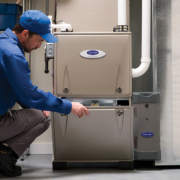
Furnace tune-up inspection Chicago HVAC technician

Furnace Tune-Up Cost in Chicago: What You Should Expect to Pay

Every fall, Chicago homeowners face the same question: should I get my furnace tuned up before winter, and what’s it going to cost? The short answer is yes, you should — and the cost is much less than you might think, especially compared to the price of an emergency repair in January. Here’s a complete breakdown of what a furnace tune-up costs in Chicago, what it includes, and how to make sure you’re getting good value.

What Does a Furnace Tune-Up Cost in Chicago?

In the Chicago area, a standard furnace tune-up typically costs $75 to $150 for a one-time service call. Prices vary based on the company, the age and type of your furnace, and whether any minor adjustments or parts are needed during the visit.

At AMG HVAC Chicago, our standard furnace tune-up is $129. If you’re on our Residential Maintenance Agreement, that price drops to $90 — and you also get a spring AC tune-up included, for a total savings of $78 per year.

Be cautious of very cheap tune-up offers ($49 or less). Some HVAC companies use below-cost tune-up specials as a loss leader to get inside your home and upsell unnecessary repairs. A quality tune-up done right takes 60–90 minutes and involves a real inspection — not a 20-minute visual check.

What’s Included in a Furnace Tune-Up?

A thorough furnace tune-up should include all of the following:

Safety Checks

  • Carbon monoxide test: The technician checks for CO leaks in the combustion chamber and heat exchanger. This is the most important safety check — a cracked heat exchanger can allow deadly CO to enter your living space.
  • Flue and venting inspection: Checks for blockages, corrosion, or improper draft that could allow combustion gases to back up into the home.
  • Gas pressure and combustion analysis: Ensures the furnace is burning fuel efficiently and completely.
  • Safety control testing: Tests the limit switch, pressure switches, rollout switches, and other safety devices that shut the furnace down if something goes wrong.

Cleaning

  • Burner cleaning: Removes dust, dirt, and debris from the burners for clean, efficient combustion.
  • Heat exchanger inspection and cleaning: Checks for cracks (a serious safety issue) and removes scale buildup.
  • Blower and motor cleaning: A dirty blower motor reduces airflow and efficiency significantly.
  • Flame sensor cleaning: The flame sensor is a small rod that confirms the burner is lit. A dirty flame sensor is one of the most common causes of furnaces that won’t stay on — cleaning it takes 2 minutes and can prevent a service call mid-winter.
  • Air filter check or replacement: Some tune-ups include a new filter; others check the existing one and replace if needed (usually at extra cost).

Mechanical Inspection

  • Check all electrical connections and tighten if needed
  • Inspect and lubricate the blower motor (if applicable)
  • Check the inducer motor and draft blower operation
  • Inspect the igniter (hot surface igniter or spark igniter) and replace if needed
  • Check the condensate drain (on high-efficiency furnaces) for blockages
  • Test thermostat calibration and operation
  • Measure temperature rise across the heat exchanger

Why Annual Furnace Maintenance Pays for Itself

A $129 tune-up might seem like an expense you can skip — but consider the math. According to the U.S. Department of Energy, a well-maintained furnace uses 10–15% less energy than a neglected one. On a typical Chicago gas bill, that can save $50–$100 per year just in fuel costs. Add in the avoided repair costs (a service call in mid-January typically starts at $150+ just to show up), and the tune-up pays for itself easily.

More importantly, the safety checks protect your family. Carbon monoxide leaks from cracked heat exchangers are silent and deadly — a fall tune-up is the best way to catch this before it becomes a problem.

When Is the Best Time to Schedule a Furnace Tune-Up in Chicago?

The best time is September or October — before the heating season begins and before every HVAC company in Chicago is slammed with no-heat calls. Benefits of scheduling early in fall:

  • More scheduling flexibility — you can pick a convenient time
  • If a part needs to be ordered, there’s time to get it before cold weather hits
  • Some companies offer early-season discounts

You can also schedule in November or even December, but expect tighter availability as the season heats up. If your furnace hasn’t been tuned up in 2+ years, schedule it now regardless of the time of year — don’t wait.

How Often Do You Need a Furnace Tune-Up?

Most manufacturers and HVAC professionals recommend once per year, typically in the fall before the heating season. This is especially important if your furnace is:

  • More than 5–10 years old
  • Running for the first time after sitting idle all summer
  • Under warranty (many furnace warranties require annual maintenance to remain valid)

If you have a high-efficiency furnace (90%+ AFUE), the annual maintenance is even more important — the secondary heat exchanger and condensate system on these units require specific checks that can only be done by an HVAC technician.

What a Furnace Tune-Up Does NOT Include

A tune-up is a maintenance service — not a repair. If the technician finds a faulty part (a bad igniter, a failing inducer motor, a cracked heat exchanger), that repair is quoted separately. Before agreeing to any repair work, make sure you understand what’s broken, why it needs to be fixed, and what the total cost will be. A reputable company will show you the problem and give you a written estimate before starting any repairs.

The AMG HVAC Maintenance Agreement: Get More for Less

Instead of paying for furnace and AC tune-ups separately each year, our Residential Maintenance Agreement bundles both visits into one affordable annual fee. Agreement members also receive priority scheduling (you go to the front of the line during busy seasons), discounted diagnostic fees, and discounted parts on any repairs needed during the year.

It’s the smartest way to maintain your HVAC system and protect your home comfort investment — especially in a city with weather extremes as demanding as Chicago’s.

If a tune-up reveals your furnace has serious issues, you may need to consider replacement instead. See our complete guide on when to replace your furnace in Chicago for a full cost-benefit analysis.

Schedule Your Fall Furnace Tune-Up in Chicago

AMG HVAC Chicago serves the South Side, South Suburbs, West Side, Hyde Park, Lincoln Park, Wicker Park, and surrounding neighborhoods. We’re fully licensed and insured, and our technicians carry the parts needed to handle most common repairs in a single visit.

We serve all of Chicago’s neighborhoods — view our full service area to confirm we cover your area.

📞 Call to schedule: (773) 562-6632
Or book online and we’ll get you on the schedule. Don’t wait until your furnace fails on the coldest night of the year.
Mini-Split Installation in Chicago: Everything You Need to Know

Ductless mini-split systems have become one of the fastest-growing HVAC options in Chicago — and for good reason. Whether you’re adding air conditioning to a vintage greaystone without existing ductwork, heating a finished basement, or creating a more energy-efficient home comfort setup, a mini-split might be exactly what you need. Here’s everything Chicago homeowners should know before making the investment.

What Is a Mini-Split System?

A ductless mini-split is a heating and cooling system that works without traditional ductwork. It consists of two main components: an outdoor compressor/condenser unit and one or more indoor air-handling units (called “heads”) mounted on the wall, ceiling, or floor. The two units are connected by a small conduit carrying refrigerant lines, electrical wiring, and a condensate drain — typically requiring only a 3-inch hole through the exterior wall.

Because there’s no ductwork, mini-splits are incredibly efficient — they eliminate the energy losses (typically 20–30%) that occur in forced-air systems with leaky or uninsulated ducts. Most modern mini-splits operate as heat pumps, meaning they both heat and cool — making them a year-round solution for Chicago’s extreme temperature swings.

Types of Mini-Split Systems

Single-Zone Mini-Splits

One outdoor unit connected to one indoor head. Perfect for a single room addition, a garage, a sunroom, a finished attic, or any space that needs its own temperature control independent of the main HVAC system.

Multi-Zone Mini-Splits

One outdoor unit connected to multiple indoor heads (typically 2–8 heads, depending on the system). Each zone has its own thermostat control, so occupants in different rooms can set different temperatures independently. This is ideal for whole-home installations or older Chicago homes being converted from window units to a modern HVAC setup.

Ceiling Cassette Mini-Splits

Mounted in the ceiling for a more discreet installation — popular in open floor plan homes and commercial spaces where wall-mounted heads would be obtrusive.

Why Chicago Homeowners Choose Mini-Splits

No Ductwork Required

Thousands of Chicago homes — especially vintage two-flats, courtyard buildings, and greystones — were built before central air conditioning existed. Adding ductwork to these buildings is expensive, invasive, and sometimes architecturally impossible. Mini-splits deliver whole-home comfort without touching a single wall for ductwork.

Energy Efficiency

Mini-splits have SEER ratings (cooling efficiency) typically ranging from 18 to 30 — far higher than standard central AC systems (14–18 SEER). Their inverter-driven compressors adjust output continuously rather than cycling on and off, which is significantly more energy-efficient. Many qualify for federal tax credits and Illinois utility rebates.

Zone Control

With a multi-zone system, you only condition the spaces you’re using. No more heating or cooling empty rooms. Each occupant controls their own zone. This is a major advantage in multi-unit buildings and multi-story homes.

Heating in Chicago Winters

Modern mini-split heat pumps can operate efficiently down to -13°F or lower (depending on the model). Mitsubishi, Daikin, LG, and other brands offer “hyper heat” or “cold climate” heat pump technology designed specifically for northern climates like Chicago. These systems maintain full heating capacity even when temperatures drop well below freezing — a critical capability in a city where January averages can hit 25°F.

Mini-Split Installation Cost in Chicago

Mini-split installation costs in Chicago depend on the number of zones, the brand, and the complexity of the installation. Here’s a general range:

  • Single-zone system (supply + install): $2,500–$4,500
  • 2-zone system: $4,500–$7,500
  • 3-zone system: $6,000–$10,000
  • 4+ zone systems: $8,000–$15,000+

Factors that affect price include the brand and efficiency tier (Mitsubishi Hyper Heat costs more than a budget-tier system), whether electrical panel upgrades are needed, how difficult the line set routing is (through brick walls, long runs, attic runs), and the number of heads installed.

Don’t forget to factor in available incentives. The federal Inflation Reduction Act (IRA) provides a tax credit of up to 30% (capped at $2,000) for qualifying heat pump installations. Illinois utility companies also offer rebates for high-efficiency HVAC equipment. AMG HVAC can walk you through what’s available for your situation.

Best Brands for Chicago Mini-Split Installations

Not all mini-splits perform equally in cold climates. For Chicago’s winters, we recommend cold-climate heat pump models from these manufacturers:

  • Mitsubishi Electric (Hyper Heat / H2i series) — The gold standard for cold-climate performance. Maintains full heating capacity down to 5°F, operates down to -13°F.
  • Daikin (Aurora series) — Excellent efficiency and reliability, strong warranty support.
  • LG (Art Cool series) — Good balance of performance and value.
  • Fujitsu (Halcyon XLTH) — Another strong cold-climate performer, popular in the Midwest.

Budget brands from Amazon or home improvement stores are not recommended for year-round Chicago use — they lack the low-ambient heating capability needed for Illinois winters and often have limited warranty support.

The Mini-Split Installation Process

A typical single-zone mini-split installation takes 4–8 hours. Here’s what to expect:

  1. Site survey: A technician visits to assess the space, determine the best indoor head location and outdoor unit placement, plan the line set route, and check your electrical panel capacity.
  2. Mounting the indoor head: The wall (or ceiling) bracket is installed and the head is hung. A hole is drilled through the exterior wall for the line set conduit.
  3. Mounting the outdoor unit: The condenser is placed on a pad or wall brackets outside, with proper clearance for airflow and drainage.
  4. Running the line set: Refrigerant lines, electrical wires, and the condensate drain are bundled in a conduit and run between the two units. Line set covers can be added for a cleaner exterior appearance.
  5. Electrical connections: A dedicated circuit is run from your electrical panel to the outdoor unit.
  6. Vacuuming and charging: The system is evacuated and the refrigerant charge is set correctly — this is a critical step that requires EPA 608 certification.
  7. Testing and commissioning: The system is powered up, tested in both heating and cooling modes, and the thermostat/remote is programmed.

Mini-Split Maintenance: Keeping Your System Running

Mini-splits are low-maintenance compared to traditional HVAC systems, but they do need regular care. The most important task is cleaning the indoor head filters every 1–3 months — this is a DIY task that takes about 5 minutes. Annual professional service (cleaning the coils, checking refrigerant levels, inspecting electrical connections) keeps the system running at peak efficiency. Our Maintenance Agreement can cover your mini-split as part of an annual service plan.

Is a Mini-Split Right for Your Chicago Home?

A mini-split is likely a great fit if you:

  • Have a home without existing ductwork
  • Want to add AC to a space that can’t connect to your central system
  • Are tired of noisy, inefficient window air conditioners
  • Have a home office, finished basement, or sunroom that needs independent temperature control
  • Want to reduce your heating and cooling costs with a more efficient system
  • Are building an addition or converting a space

Get a Free Mini-Split Installation Estimate in Chicago

AMG HVAC Chicago installs, services, and repairs mini-split systems throughout Chicago and the South Suburbs. We carry top-tier equipment from Mitsubishi, Daikin, and other leading manufacturers, and our technicians are factory-trained and EPA 608 certified.

We serve all Chicago neighborhoods and South Suburbs — including Hyde Park, Wicker Park, Lincoln Park, South Side, South Suburbs, and West Side.

📞 Call for a free estimate: (773) 562-6632
Or contact us online and we’ll get back to you same day.

Boiler system repair Chicago heating technician

Boiler Repair Chicago: What to Expect & When to Call AMG HVAC

Chicago winters are tough on every heating system — but boilers take a special kind of beating. If you heat your home with a boiler and something goes wrong in January, you need answers fast. This guide covers everything Chicago homeowners need to know about boiler repair: common problems, what repairs cost, and when to call a pro.

How Boilers Work (And Why They’re Common in Chicago)

Boilers are especially common in older Chicago homes — two-flats, greystones, bungalows, and coach houses built between 1900 and 1970 were typically heated with steam or hot water radiators powered by a boiler in the basement. Unlike forced-air furnaces, boilers heat water and circulate it through pipes and radiators throughout the home. Many Chicago homeowners love boilers for their even, comfortable heat — there’s no blowing dust or dry air, just steady warmth radiating from the cast-iron registers in each room.

At AMG HVAC Chicago, we service and repair boilers throughout the South Side, South Suburbs, West Side, and surrounding neighborhoods. Call us at (773) 562-6632 any time — we’re available 24/7 for emergency boiler repairs.

Common Boiler Problems in Chicago Homes

No Heat or Weak Heat

This is the most common complaint. If your boiler is running but the radiators aren’t getting hot — or only some rooms are heating — the issue is usually one of the following: a faulty circulator pump, air trapped in the system, a zone valve that’s stuck closed, or a low water pressure condition. A technician can diagnose and fix most of these in a single visit.

Boiler Leaking Water

Water pooling around the base of your boiler is never a good sign. Leaks can come from a failing pressure relief valve, corroded pipes or fittings, a cracked heat exchanger, or a pump seal failure. Small leaks can turn into big problems fast — especially in finished basements. Don’t wait on this one.

Pilot Light Won’t Stay Lit / Burner Won’t Fire

If your boiler has a standing pilot light that keeps going out, the thermocouple is usually the culprit — it’s a cheap part that’s easy to replace. On newer boilers with electronic ignition, a dirty flame sensor or failed ignition board may be to blame. Either way, no burner means no heat.

Boiler Making Strange Noises

Banging, clanking, whistling, or gurgling sounds from your boiler or pipes are signs something is off. Banging (“kettling”) is usually caused by limescale buildup on the heat exchanger or low water flow. Gurgling suggests air in the system. These noises should be investigated before they turn into a full breakdown.

Radiators Not Heating Evenly

If some rooms are hot and others stay cold, your system likely needs to be balanced. Air can also get trapped in individual radiators — bleeding the radiators (releasing the trapped air through the bleed valve) often fixes this immediately. It’s a simple DIY task, but if the problem persists, you may have a more serious circulation issue.

Pressure Problems

Both steam and hot water boilers operate within specific pressure ranges. Too low and the system won’t circulate properly. Too high and the pressure relief valve will vent — which is actually a safety feature working correctly, but it signals an underlying problem that needs attention. Check your boiler’s pressure gauge — normal operating pressure for hot water boilers is typically 12–15 PSI cold.

Boiler Repair Costs in Chicago

Boiler repair costs vary widely depending on what’s wrong. Here’s a general range to help you plan:

  • Thermocouple replacement: $75–$150
  • Circulator pump replacement: $250–$600
  • Zone valve replacement: $150–$350 per zone
  • Pressure relief valve: $150–$300
  • Boiler bleeding and flush: $100–$200
  • Heat exchanger replacement: $500–$1,500+ (sometimes it makes more sense to replace the boiler)
  • Ignition board / control board: $300–$700

Labor rates in Chicago typically run $90–$150/hour for HVAC work. Emergency after-hours service will cost more. At AMG HVAC, we give you a clear estimate before any work begins — no surprises on the invoice.

Boiler Repair vs. Boiler Replacement: How to Decide

The general rule of thumb in the HVAC industry is the “Rule of 5,000.” Multiply your boiler’s age by the estimated repair cost. If the result exceeds $5,000, replacement is probably the smarter financial move. For example, a 20-year-old boiler needing a $350 repair: 20 × 350 = $7,000 — replacement makes sense. A 10-year-old boiler needing the same repair: 10 × 350 = $3,500 — repair it.

You should also consider replacing your boiler if:

  • It’s more than 20–25 years old
  • It needs repairs costing more than 50% of replacement cost
  • Your heating bills have been creeping up year after year
  • You’ve had multiple breakdowns in the last few seasons
  • It’s an old atmospheric (non-condensing) boiler that can be replaced with a high-efficiency model

Modern high-efficiency boilers (like Navien, Weil-McLain, or Burnham) can achieve 95% AFUE efficiency vs. 70–80% for older models — which means real savings on your gas bill every winter.

Emergency Boiler Repair in Chicago

When your boiler goes out in the middle of a Chicago winter, it’s an emergency — especially if you have elderly family members, young children, or pets in the home. AMG HVAC offers 24/7 emergency heating service throughout Chicago and the South Suburbs. We dispatch quickly and carry common replacement parts on our trucks so we can fix most problems in a single visit.

Boiler Maintenance: Preventing Problems Before They Start

The best way to avoid an expensive emergency repair is a yearly boiler tune-up before the heating season starts — ideally in September or October. During a professional boiler maintenance visit, a technician will:

  • Inspect all burners and clean the combustion chamber
  • Check and test the pressure relief valve
  • Inspect all pipes, fittings, and connections for leaks
  • Test and calibrate the thermostat
  • Check water pressure and top off if needed
  • Bleed radiators and check for air in the system
  • Inspect the flue and venting for proper draft
  • Check heat exchanger integrity for carbon monoxide safety

Our AMG HVAC Maintenance Agreement covers your annual boiler tune-up along with a spring AC tune-up for one low yearly rate. It’s the most cost-effective way to keep your Chicago home comfortable and your heating system reliable year-round.

Have a forced-air furnace instead of a boiler? Our guide to furnace tune-up costs in Chicago explains what routine maintenance costs and when you should call for repairs.

Schedule Your Boiler Repair Today

Whether you’re dealing with a boiler that won’t fire up, a radiator that won’t heat, or a leak you can’t explain — AMG HVAC Chicago is ready to help. We serve the South Side, South Suburbs, West Side, Hyde Park, Lincoln Park, Wicker Park, and surrounding Chicago neighborhoods.

📞 Call now: (773) 562-6632
Or contact us online to schedule a boiler repair or inspection today.

HVAC technician repairing furnace in Chicago home

When to Replace Your Furnace in Chicago: A Complete Guide

Chicago winters are no joke. When temperatures drop into the single digits and the wind off Lake Michigan cuts right through you, the last thing you want to discover is that your furnace has given up the fight. But how do you know when it’s time to stop repairing and start replacing?

This guide will walk you through the key signs that your furnace is on its way out, how to think about the repair vs. replace decision, and what to expect when you work with AMG HVAC Chicago on a new furnace installation.

How Long Should a Furnace Last?

The average gas furnace lasts 15 to 20 years with proper maintenance. If your furnace is approaching or past that age, it’s time to start thinking about replacement — even if it’s still technically running. Older furnaces become increasingly unreliable, less efficient, and more expensive to repair. Parts also become harder to source for older units.

If you don’t know the age of your furnace, check the data plate on the unit itself. It will show the manufacture date. You can also look up the serial number on the manufacturer’s website — most encode the year of production in the serial number.

7 Signs It’s Time to Replace Your Furnace

1. Your Furnace Is 15+ Years Old

Age alone isn’t a reason to replace a furnace, but it should put you on alert. An aging furnace is more likely to break down at the worst possible time — the coldest night of the year. If yours is 15 years or older, start budgeting for replacement so you’re not caught off guard.

2. Your Energy Bills Keep Climbing

Furnaces lose efficiency as they age. What once heated your home at 80% efficiency may now be running at 60% or less, meaning you’re paying significantly more for the same amount of heat. Modern high-efficiency furnaces operate at 95–98% AFUE (Annual Fuel Utilization Efficiency), which can cut your heating costs dramatically. If your gas bill has been steadily increasing without a clear reason, your furnace efficiency may be the culprit.

3. Frequent Repairs

One repair every few years is normal. But if you’re calling for furnace service every season — or multiple times in a season — the repair costs are adding up fast. A good rule of thumb: if a repair costs more than 50% of the price of a new furnace, or if you’ve spent more than that in repairs over the past two years, replacement is the smarter financial decision.

4. Uneven Heating Throughout Your Home

Are some rooms in your South Side home freezing while others are comfortable? As furnaces age, they lose the ability to distribute heat evenly. This can be a ductwork issue, but it’s often a sign that the furnace itself is struggling to maintain consistent output. A new, properly sized furnace will heat your home more evenly and comfortably.

5. Strange Noises — Banging, Rattling, Popping, or Squealing

A healthy furnace runs relatively quietly. If yours has started making loud banging sounds when it kicks on, rattling during operation, or high-pitched squealing, these are signs of serious mechanical problems. Banging can indicate delayed ignition (a potentially dangerous issue), while rattling may point to a cracked heat exchanger — which is a safety hazard that often means it’s time for a new unit.

6. Yellow or Flickering Burner Flame

The flame in your furnace burner should be a steady, blue flame. A yellow or orange flame, or one that flickers, can be a sign of incomplete combustion and may indicate that your furnace is producing carbon monoxide — a colorless, odorless, and potentially deadly gas. If you notice this, turn off your furnace immediately and call a professional. This is a serious safety issue and often signals the furnace needs to be replaced.

7. Excessive Dust, Dryness, or Poor Air Quality

Older furnaces often do a poor job of filtering and humidifying the air in your home. If you’ve noticed increased dust buildup on furniture, family members with more frequent respiratory issues, or the air feeling unusually dry in winter, your furnace may no longer be effectively conditioning the air it circulates. New furnaces paired with modern filtration systems can significantly improve your home’s air quality.

The Repair vs. Replace Decision

Not every furnace problem means you need a new unit. Here’s a simple framework to help you decide:

  • Furnace is under 10 years old + repair cost is reasonable: Repair it. A well-maintained furnace in this age range should have plenty of life left.
  • Furnace is 10–15 years old + repair cost is significant: Get a professional opinion. It may make sense to replace, especially if efficiency is low or you’ve had multiple recent repairs.
  • Furnace is 15+ years old + any major repair needed: Strongly consider replacement. Putting money into an old furnace often just delays the inevitable — and the next breakdown could happen at the worst possible moment.
  • Furnace has a cracked heat exchanger: Replace immediately. This is a safety issue and repairs are typically not cost-effective.

What a New Furnace Costs in Chicago

The cost of a new furnace installation in the Chicago area varies depending on the unit size, efficiency rating, and complexity of the installation. In general, you can expect to pay:

  • Standard efficiency furnace (80% AFUE): $2,500 – $4,000 installed
  • High efficiency furnace (95%+ AFUE): $3,500 – $6,000 installed

While high-efficiency models cost more upfront, the savings on your gas bill can offset the difference over 5–7 years — and in Chicago winters, those savings add up fast. Many homeowners also qualify for rebates from Nicor Gas or ComEd for upgrading to high-efficiency equipment.

Why Chicago Homeowners Trust AMG HVAC for Furnace Replacement

At AMG HVAC Chicago, we’ve helped hundreds of South Side, South Suburbs, and West Side homeowners replace aging furnaces with reliable, efficient new systems. Here’s what sets us apart:

  • Honest assessments: We’ll tell you honestly whether your furnace needs repair or replacement — and we won’t push you toward a new unit if a repair makes more sense.
  • Proper sizing: An undersized or oversized furnace causes problems. We calculate the correct BTU output for your home’s square footage, insulation, and layout.
  • Clean, professional installation: Our certified technicians install your new furnace correctly the first time, test it thoroughly, and walk you through the operation before we leave.
  • All major brands: We install and service Carrier, Lennox, Trane, Rheem, Goodman, and other leading brands.
  • Available 24/7: If your furnace fails in the middle of a Chicago cold snap, we’re available around the clock for emergency service and expedited installation.

Protect Your New Furnace with a Maintenance Agreement

Once you’ve invested in a new furnace, protect it. Regular annual maintenance is the single best thing you can do to extend its lifespan and keep it running at peak efficiency. Our AMG HVAC Maintenance Agreement includes a full heating system inspection and tune-up for just $90 per visit — significantly less than the standard $129 rate — plus priority scheduling if something goes wrong.

Before you replace, it may be worth starting with a professional tune-up. Read our guide on furnace tune-up costs in Chicago to understand what maintenance can and can’t fix.

Is It Time to Replace Your Furnace? Call AMG HVAC Today.

If your furnace is showing any of the warning signs above, don’t wait until it fails completely on the coldest night of the year. AMG HVAC Chicago offers free furnace assessments for South Side and South Suburbs homeowners. We’ll give you an honest evaluation and a clear recommendation — repair or replace — with no pressure.
📞 Call us now: (773) 562-6632
Available 24/7 for emergency furnace service and new furnace installation throughout Chicago and the South Suburbs. Contact us online to schedule a free assessment.

Air conditioner maintenance technician Chicago

Chicago AC Maintenance Tips: Get Your Air Conditioner Ready for Summer

Chicago summers can be relentless. When temperatures climb into the 90s and the humidity makes it feel even hotter, the last thing you want is for your air conditioner to give out. The good news? Most AC breakdowns are preventable with a little maintenance before the season kicks off.

Whether you’re a longtime South Side homeowner or new to the area, here’s what you should know about keeping your air conditioner running strong all summer — and when to call a professional like AMG HVAC Chicago.

1. Change Your Air Filter

This is the single most important thing you can do for your AC — and most homeowners don’t do it often enough. A dirty filter restricts airflow, forces your system to work harder, and can lead to frozen coils and compressor damage. During peak summer months in Chicago, you should be checking your filter every 30 days and replacing it every 1–3 months depending on the type.

A standard 1-inch fiberglass filter should be replaced monthly. Thicker pleated filters (4–5 inches) can last up to 6 months. If you have pets or allergies, replace more frequently.

2. Clear the Area Around Your Outdoor Unit

Your outdoor condenser unit needs airflow to work efficiently. Over the winter, debris, leaves, and vegetation can accumulate around it. Before you run your AC for the first time in spring, check the area around the unit and:

  • Clear away any leaves, grass clippings, or dirt from around and on top of the unit
  • Trim back any bushes or plants that have grown within 2 feet of the unit
  • Gently rinse the outside fins with a garden hose to remove dust and debris
  • Make sure the unit is sitting level — if it has shifted or sunk, it can affect performance

3. Check and Clean Your Vents

Walk through your home and check every supply and return vent. Make sure none are blocked by furniture, rugs, or curtains. Blocked vents reduce airflow, create hot and cold spots, and put extra strain on the system. While you’re at it, vacuum out any visible dust buildup inside the vent covers.

4. Test Your Thermostat

Before the first hot day of summer, switch your thermostat to cooling mode and set it a few degrees below the current room temperature. Within a few minutes you should feel cool air from the vents. If the system doesn’t respond, the thermostat may need new batteries or recalibration — or there could be a bigger electrical issue that needs professional attention.

If you’re still running an old manual thermostat, upgrading to a smart or programmable thermostat is one of the best investments you can make. It can reduce your cooling costs by 10–15% just by automatically adjusting temperatures when you’re asleep or away.

5. Schedule a Professional AC Tune-Up

DIY maintenance can go a long way, but nothing replaces a professional inspection before summer hits. During a professional AC tune-up, an AMG HVAC technician will:

  • Check refrigerant levels and inspect for leaks
  • Inspect and clean the evaporator and condenser coils
  • Check all electrical connections and capacitors
  • Lubricate all moving parts
  • Test the blower motor and belt
  • Measure airflow and system efficiency
  • Check the condensate drain line for blockages
  • Test the thermostat calibration

This is exactly what’s included in our AMG HVAC Maintenance Agreement — and agreement members get their AC tune-up for just $90 instead of the standard rate of $129.

6. Know the Warning Signs Your AC Needs Repair

Even with good maintenance, air conditioners can develop problems. Catch them early and you’ll avoid a full breakdown on the hottest day of the year. Watch for these warning signs:

  • Warm air blowing from vents — Could indicate a refrigerant leak, compressor issue, or restricted airflow
  • Weak airflow — Often caused by a dirty filter, blocked ducts, or a failing blower motor
  • Unusual noises — Grinding, squealing, or banging are never normal and should be investigated immediately
  • Frequent on/off cycling — Known as “short cycling,” this strains the compressor and wastes energy
  • High humidity indoors — Your AC should dehumidify as it cools. If your home feels sticky, something may be off
  • Water or ice around the unit — Ice on the refrigerant lines or water pooling near the indoor unit are signs of a problem
  • Skyrocketing electric bills — A sudden spike in cooling costs often means the system is struggling to keep up

If you notice any of these issues, don’t wait. Call AMG HVAC at (773) 562-6632 and we’ll get a technician out to diagnose the problem before it turns into a costly emergency repair.

Stay Cool This Summer with AMG HVAC Chicago

Regular AC maintenance is the key to staying comfortable all summer long in Chicago — and avoiding the stress and expense of an unexpected breakdown. Whether you need a seasonal tune-up, a repair, or a full system replacement, AMG HVAC is here to help.

We serve the South Side, South Suburbs, West Side, and greater Chicago area. Our certified technicians are available 24/7 for emergency service, and our Maintenance Agreement is the most affordable way to keep your system protected year-round.

📞 Call now: (773) 562-6632
Or contact us online to schedule your summer AC tune-up today.

HVAC repair technician South Side Chicago

HVAC Repair on the South Side of Chicago: What to Expect from AMG HVAC

When your heating or air conditioning system breaks down on the South Side of Chicago, you need a reliable HVAC company that shows up fast, does the job right, and charges a fair price. At AMG HVAC Chicago, that’s exactly what we deliver — every single time.

We serve homeowners and businesses throughout the South Side, South Suburbs, and West Side of Chicago, including neighborhoods like Chatham, Englewood, Auburn Gresham, Bronzeville, Hyde Park, Bridgeport, Pilsen, and beyond. If you’re searching for dependable HVAC repair on the South Side of Chicago, you’ve found the right team.

Common HVAC Problems We Fix on the South Side

Chicago winters are brutal and our summers aren’t much kinder. South Side homes deal with HVAC problems year-round, and AMG HVAC is here to diagnose and fix them quickly. The most common issues we see include:

  • Furnace not heating: From ignitor failures to cracked heat exchangers, we diagnose and repair all furnace brands and models.
  • Air conditioner not cooling: Low refrigerant, dirty coils, failed compressors — we troubleshoot the root cause and fix it right the first time.
  • No heat or AC at all: Electrical issues, thermostat failures, or blown fuses can shut down your system completely. We get to the bottom of it fast.
  • Uneven temperatures throughout the home: If one room is freezing while another is sweltering, there may be a ductwork or zoning issue we can address.
  • Strange noises or smells: Banging, rattling, burning smells — these are warning signs. Don’t ignore them. Call us before a small problem becomes a big one.
  • High energy bills: An inefficient system works harder and costs more to run. Tune-ups and repairs often pay for themselves quickly.

Why South Side Residents Trust AMG HVAC

There’s no shortage of HVAC companies in Chicago, but AMG HVAC has earned the trust of South Side homeowners by doing things the right way. Here’s what sets us apart:

  • Fast response times: We understand that a broken furnace in January or a failed AC in July is an emergency. We respond quickly and prioritize urgent calls.
  • Honest pricing: No bait-and-switch. We give you a clear diagnosis and a fair quote before any work begins.
  • Certified technicians: Our team is trained, certified, and experienced across all major HVAC brands including Carrier, Lennox, Trane, Rheem, Goodman, and more.
  • Local and community-focused: We’re not a large national chain. We’re a Chicago-based company that cares about the neighborhoods we serve.
  • Available 24/7: HVAC emergencies don’t follow a schedule. We’re available around the clock for urgent heating and cooling repairs.

What to Expect When You Call AMG HVAC

We know calling an HVAC company can feel stressful — especially if you’ve had a bad experience before. Here’s how our process works so you know exactly what to expect:

  1. Call or contact us: Reach us at (773) 562-6632 anytime, or fill out our online contact form. Describe your issue and we’ll set up a visit.
  2. On-time arrival: Our technician arrives on time and ready to work, with the tools and parts to handle most common repairs on the spot.
  3. Thorough diagnosis: We don’t guess. We run a full diagnostic to identify exactly what’s wrong before recommending any repair.
  4. Clear explanation and quote: We walk you through what we found and what it will take to fix it — in plain language, with no pressure.
  5. Quality repair: Once you approve the work, we complete the repair efficiently and test the system to make sure it’s running properly before we leave.

Protect Your System Year-Round with a Maintenance Agreement

The best way to avoid costly HVAC repairs is preventative maintenance. Our Residential HVAC Maintenance Agreement gives South Side homeowners scheduled heating and cooling tune-ups at a reduced rate — just $90 per visit (compared to the standard $129), with full system inspections, cleaning, and safety checks included.

Customers on our maintenance agreement get priority scheduling — meaning when something does go wrong, you go to the front of the line.

Schedule Your HVAC Repair Today

Don’t suffer through a Chicago cold snap or heat wave with a broken HVAC system. AMG HVAC is ready to help. We serve the entire South Side of Chicago and surrounding areas with fast, honest, and professional heating and cooling service.

📞 Call us now: (773) 562-6632
Available 24/7 for emergency HVAC repair on the South Side of Chicago. Contact us online to schedule service today.

Chicago AC Maintenance Tips: Get Your Air Conditioner Ready for Summer

Chicago summers are hot, humid, and brutal — and the last thing you want is your air conditioner to fail during a heat wave when HVAC companies are booked solid for days. The good news is that with the right maintenance, you can significantly reduce the risk of AC breakdowns, lower your energy bills, and extend the life of your system. This guide covers everything Chicago homeowners need to do to prepare their AC for summer.

Start Early: Schedule a Spring AC Tune-Up

The best time to service your air conditioner in Chicago is April or early May — before the first heat wave hits and before HVAC companies are slammed with emergency calls. A professional spring tune-up typically costs $80–$120 and covers everything needed to ensure your system operates efficiently and reliably all summer.

What’s included in a professional AC tune-up from AMG HVAC:

  • Inspect and clean evaporator and condenser coils
  • Check and top off refrigerant levels if needed
  • Clean and straighten condenser fins
  • Lubricate motors and moving parts
  • Test capacitors and contactors
  • Inspect electrical connections and wiring
  • Test thermostat calibration and operation
  • Clear drain line and condensate pan
  • Inspect and clean blower wheel
  • Check system for refrigerant leaks
  • Test system operation across full cooling cycle

DIY AC Maintenance Every Chicago Homeowner Should Do

1. Change Your Air Filter Regularly

This is the single most impactful thing you can do for your AC system’s performance and longevity. A clogged filter restricts airflow, causing your system to work harder, cool less effectively, and potentially freeze the evaporator coil. In Chicago’s dusty urban environment, filters often need replacement more frequently than the manufacturer’s recommendation.

Filter replacement guidelines for Chicago:

  • 1-inch fiberglass or pleated filter: every 30–60 days during summer
  • 4-inch media filter: every 6–12 months
  • Homes with pets or allergy sufferers: more frequently

Use a MERV 8–11 filter for the best balance of air quality and system efficiency. Avoid MERV 13+ filters unless your system is designed for them — they can restrict airflow in most standard systems.

2. Clean the Outdoor Condenser Unit

Your outdoor AC unit needs adequate airflow to release heat. After Chicago’s winters, condenser units often accumulate leaves, debris, and cottonwood seed (those white fluffy things that blow around Chicago in late spring) that can clog the fins and restrict airflow.

To clean your condenser:

  1. Turn off power to the unit at the disconnect box and thermostat
  2. Remove the top grille and carefully lift out the fan assembly
  3. Remove debris from inside the unit by hand or vacuum
  4. Using a garden hose, gently spray the fins from the inside out to remove dirt
  5. Never use a pressure washer — it can bend the delicate aluminum fins
  6. Straighten any bent fins with a fin comb
  7. Ensure at least 2 feet of clearance around all sides of the unit

3. Clear the Condensate Drain Line

Your AC system removes humidity from the air, and that water drains through a condensate line. In Chicago’s humid summers, this drain line can become clogged with algae, mold, and debris — causing water to back up and potentially flood your equipment room or trigger an automatic safety shutoff.

To clear the condensate drain: locate the drain line (usually a 3/4-inch PVC pipe near your indoor air handler), pour a cup of diluted white vinegar or bleach solution into the drain pan or access port every month during summer, and ensure the drain line outlet is clear and properly pitched.

4. Check and Seal Ductwork

The EPA estimates that 20–30% of air in a typical duct system is lost due to leaks, holes, and poor connections. In Chicago’s summer heat, this means your AC is working significantly harder than it should to cool your home. Check accessible ductwork in your attic, basement, or crawlspace for obvious gaps or disconnected sections, and seal with mastic sealant or metal-backed tape (not standard duct tape, which fails quickly).

5. Upgrade Your Thermostat

If you’re still using a manual or basic programmable thermostat, upgrading to a smart thermostat is one of the highest-ROI home improvements you can make. Smart thermostats learn your schedule, can be controlled remotely, and optimize cooling cycles to minimize energy use without sacrificing comfort. Chicago utility rebates and federal tax credits can offset much of the cost, and most quality smart thermostats pay for themselves in 1–2 years through energy savings.

Warning Signs Your AC Needs Professional Attention

Don’t wait for a full breakdown. Contact AMG HVAC if you notice any of these signs:

  • Warm air from vents: Could indicate low refrigerant, a failed compressor, or dirty coils
  • Poor airflow: Check filter first, but persistent weak airflow may indicate blower problems or blocked ducts
  • Unusual noises: Grinding, squealing, or banging are never normal — turn the system off and call for service
  • Ice on the unit: A frozen evaporator coil usually means restricted airflow or low refrigerant
  • Water leaks around the indoor unit: Usually a clogged condensate drain, but can also indicate frozen coils thawing
  • High humidity indoors: Your AC should be removing humidity as it cools — if your home feels sticky at normal thermostat settings, your system may be oversized or have refrigerant issues
  • Frequent cycling: If your system turns on and off every few minutes, it may be oversized or have a refrigerant leak

When to Consider AC Replacement Instead of Repair

Like furnaces, air conditioners have a finite lifespan — typically 12–15 years in Chicago’s climate. Consider replacement when:

  • Your AC is 12+ years old and needs a significant repair
  • Your system uses R-22 refrigerant (which was phased out in 2020 and is now extremely expensive)
  • Repair costs exceed 50% of replacement cost
  • Your home has hot spots, humidity problems, or consistently high energy bills that indicate an oversized or inefficient system

Modern high-SEER air conditioners (SEER 16+) are dramatically more efficient than systems from 10–15 years ago. The Inflation Reduction Act provides up to 30% federal tax credit for qualifying high-efficiency AC installations, making this an excellent time to upgrade.

Chicago-Specific AC Considerations

Cottonwood Season (Late May – Early June)

Chicago’s notorious cottonwood season — when white fluffy seeds fill the air — is particularly hard on outdoor AC units. Check your condenser unit weekly during this period and remove any accumulation of cottonwood from the fins and base. A significant cottonwood buildup can cause overheating in a matter of days.

Extreme Heat Events

Chicago has experienced several deadly heat waves, most famously in 1995. During extreme heat events (95°F+), your AC will run nearly continuously. Reduce strain during heat waves by: setting your thermostat no lower than 76–78°F, using ceiling fans to improve perceived comfort, closing blinds on south and west-facing windows during afternoon hours, and avoiding heat-generating activities (cooking, laundry) during the hottest part of the day (2–6pm).

Window Units vs. Central AC

Many Chicago apartments and older homes still rely on window AC units. While less efficient than central systems, properly sized and maintained window units can cool a room effectively. If you’re thinking about upgrading from window units to central AC or ductless mini-splits, AMG HVAC provides free estimates and can help you evaluate the right solution for your Chicago home or building.

Ready to Prepare Your Chicago AC for Summer?

Don’t wait until your AC fails during July’s first heat wave. Schedule your spring tune-up now with AMG HVAC Chicago and get your system ready for whatever summer throws at it.

Call (773) 562-6632 or email [email protected] to schedule your AC maintenance appointment. Available 24/7 for emergency AC repair throughout Chicago and the Chicagoland area.

When to Replace Your Furnace in Chicago: The Complete Guide

Chicago winters are no joke. With temperatures regularly dropping below zero and windchill pushing the “feels like” temperature to -20°F or colder, your furnace isn’t just a comfort appliance — it’s essential for your family’s safety. But how do you know when it’s time to replace that aging furnace rather than pay for yet another repair? This guide will walk you through the key signs, cost considerations, and what to expect from a furnace replacement in Chicago.

The 15-20 Year Rule

Most gas furnaces have a functional lifespan of 15–20 years with proper maintenance. If your furnace is approaching or past this age, it’s time to start planning for replacement — even if it’s still running. Here’s why: older furnaces lose efficiency year over year, and a 20-year-old furnace that was originally rated at 80% AFUE (Annual Fuel Utilization Efficiency) may now be operating at 60–65% or less. Modern high-efficiency furnaces operate at 95–98% AFUE, which means a significant portion of your gas bill is essentially wasted with an aging system.

The 50% Rule

When your furnace needs a repair, ask yourself: is the repair cost more than 50% of the cost of a new furnace? If a repair quote comes in at $1,500 and a new furnace installation is $3,500, the math often favors replacement — especially if you have an older unit that will likely need additional repairs in the coming years.

This calculation becomes even clearer when you factor in: the energy savings from a new high-efficiency unit ($400–$800 per year in gas savings is common), the peace of mind of a new system warranty (typically 10 years on parts and heat exchanger), and the reduced risk of mid-winter emergencies.

Warning Signs Your Chicago Furnace Needs Replacement

1. Frequent Breakdowns

If your furnace has needed repairs twice or more in the past two years, it’s likely entering a cycle of declining reliability. Like an old car, furnaces can hit a point where repairs multiply — the blower motor goes, then the heat exchanger cracks, then the gas valve fails. Each repair buys a little more time, but the underlying issue is age and wear.

2. Rising Energy Bills

Have your natural gas bills increased significantly over the past few winters, even accounting for price increases? This is often a sign that your furnace is losing efficiency. A properly functioning furnace should maintain consistent efficiency throughout its life with regular maintenance. If your bills are climbing without a corresponding increase in gas prices or usage, your furnace may be working harder to achieve the same heating output.

3. Uneven Heating Throughout the Home

If some rooms are consistently colder than others, or your home takes a long time to reach the set temperature, your furnace may be losing capacity. Aging heat exchangers and declining blower performance can lead to reduced heat output and circulation. Note: uneven heating can also be caused by ductwork issues, so it’s important to have a professional diagnose the root cause.

4. Yellow or Flickering Pilot Light

A healthy furnace flame should be steady and blue. A yellow, orange, or flickering flame can indicate incomplete combustion, which may mean your furnace is producing carbon monoxide — a serious safety hazard. If you notice this, shut off your furnace immediately and call a licensed HVAC technician. This issue sometimes warrants immediate replacement, particularly if the heat exchanger is cracked.

5. Strange Noises

Unusual sounds from your furnace — banging, popping, squealing, or rattling — are never normal and always warrant inspection. Banging or popping when the system starts or shuts off may indicate duct expansion (less serious) or delayed ignition (more serious). Squealing often points to a failing blower motor bearing. Rattling can indicate loose components or a cracked heat exchanger.

6. Excessive Dust, Soot, or Dry Air

An aging furnace may struggle to properly filter and humidify the air it circulates. If you notice increased dust accumulation, soot around vents, or unusually dry air in your home (causing static electricity, dry skin, or aggravated allergies), your furnace may be part of the problem.

7. The Furnace Runs Constantly

Your furnace should cycle on and off to maintain your set temperature. If it’s running nearly continuously during cold weather but your home still isn’t reaching the desired temperature, the furnace is undersized or has lost significant capacity due to age.

What Does Furnace Replacement Cost in Chicago?

In the Chicago market, furnace replacement costs typically range from $2,800 to $6,500+ installed, depending on:

  • Furnace efficiency rating (AFUE): Standard 80% AFUE units are least expensive; 96–98% AFUE units cost more upfront but save significantly on gas bills
  • Furnace brand: Major brands like Carrier, Trane, Lennox, and Rheem are all quality options at different price points
  • System size: Based on your home’s square footage and heat load requirements
  • Installation complexity: Venting requirements, existing ductwork condition, and electrical connections all affect labor costs
  • Additional components: Humidifiers, smart thermostats, and air purifiers can be added during installation

High-Efficiency vs. Standard Efficiency Furnaces for Chicago

Chicago’s long heating season (October through April) makes the investment in a high-efficiency furnace especially worthwhile. A 95% AFUE furnace typically costs $800–$1,500 more than an 80% AFUE unit, but the annual gas savings of $300–$700 (depending on your home’s size and current efficiency) mean you’ll recoup the additional cost in 2–5 years — and enjoy lower bills for the remaining 15+ years of the furnace’s life.

Additionally, high-efficiency furnaces (90%+ AFUE) use PVC pipe for venting rather than metal flue pipe, which simplifies installation in many Chicago homes and eliminates the risk of chimney flue deterioration affecting furnace performance.

Planning for Furnace Replacement — Don’t Wait for a Crisis

The worst time to replace your furnace is when it stops working at 10pm on a January night when temperatures are forecast to drop to -10°F. Emergency furnace installation under those circumstances is stressful, expensive (if same-day service is even available), and limits your ability to compare options and prices thoughtfully.

If your furnace is 15+ years old, schedule a professional inspection now — before heating season — and get a replacement quote. This gives you time to compare options, take advantage of rebates, and schedule installation at your convenience rather than under emergency conditions.

Available Rebates and Incentives for Chicago Homeowners

Installing a high-efficiency furnace in Chicago may qualify you for:

  • Nicor Gas Rebates: Up to $600 for qualifying high-efficiency furnace replacements
  • People’s Energy Rebates: Similar rebates for Peoples Energy customers
  • Federal Tax Credits: The Inflation Reduction Act provides up to 30% federal tax credit (up to $600) for qualifying high-efficiency HVAC installations
  • ComEd Rebates: For heat pumps and dual-fuel systems

AMG HVAC will help you identify and apply for all applicable rebates when you schedule your furnace replacement.

Ready to Replace Your Furnace in Chicago?

AMG HVAC provides free, no-pressure in-home estimates for furnace replacement throughout Chicago and the Chicagoland area. Our licensed technicians will evaluate your current system, measure your home’s heating needs, and provide you with clear options at every efficiency and price level — with honest guidance on what makes the most sense for your specific situation.

Call (773) 562-6632 to schedule your free furnace consultation, or email [email protected]. Available 24/7 for emergency service throughout Chicago, IL.