Mini-Split Installation in Chicago: Everything You Need to Know
Ductless mini-split systems have become one of the fastest-growing HVAC options in Chicago — and for good reason. Whether you’re adding air conditioning to a vintage greaystone without existing ductwork, heating a finished basement, or creating a more energy-efficient home comfort setup, a mini-split might be exactly what you need. Here’s everything about mini-split installation Chicago homeowners should know before making the investment.
What Is a Mini-Split System?
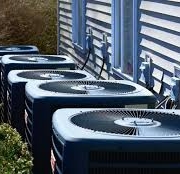
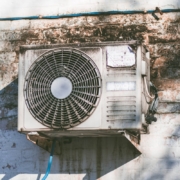
A ductless mini-split is a heating and cooling system that works without traditional ductwork. It consists of two main components: an outdoor compressor/condenser unit and one or more indoor air-handling units (called “heads”) mounted on the wall, ceiling, or floor. The two units are connected by a small conduit carrying refrigerant lines, electrical wiring, and a condensate drain — typically requiring only a 3-inch hole through the exterior wall.
Because there’s no ductwork, mini-splits are incredibly efficient — they eliminate the energy losses (typically 20–30%) that occur in forced-air systems with leaky or uninsulated ducts. Most modern mini-splits operate as heat pumps, meaning they both heat and cool — making them a year-round solution for Chicago’s extreme temperature swings.
Types of Mini-Split Systems
Single-Zone Mini-Splits
One outdoor unit connected to one indoor head. Perfect for a single room addition, a garage, a sunroom, a finished attic, or any space that needs its own temperature control independent of the main HVAC system.
Multi-Zone Mini-Splits
One outdoor unit connected to multiple indoor heads (typically 2–8 heads, depending on the system). Each zone has its own thermostat control, so occupants in different rooms can set different temperatures independently. This is ideal for whole-home installations or older Chicago homes being converted from window units to a modern HVAC setup.
Ceiling Cassette Mini-Splits
Mounted in the ceiling for a more discreet installation — popular in open floor plan homes and commercial spaces where wall-mounted heads would be obtrusive.
Why Chicago Homeowners Choose Mini-Splits
No Ductwork Required
Thousands of Chicago homes — especially vintage two-flats, courtyard buildings, and greystones — were built before central air conditioning existed. Adding ductwork to these buildings is expensive, invasive, and sometimes architecturally impossible. Mini-splits deliver whole-home comfort without touching a single wall for ductwork.
Energy Efficiency
Mini-splits have SEER ratings (cooling efficiency) typically ranging from 18 to 30 — far higher than standard central AC systems (14–18 SEER). Their inverter-driven compressors adjust output continuously rather than cycling on and off, which is significantly more energy-efficient. Many qualify for federal tax credits and Illinois utility rebates.
Zone Control
With a multi-zone system, you only condition the spaces you’re using. No more heating or cooling empty rooms. Each occupant controls their own zone. This is a major advantage in multi-unit buildings and multi-story homes.
Heating in Chicago Winters
Modern mini-split heat pumps can operate efficiently down to -13°F or lower (depending on the model). Mitsubishi, Daikin, LG, and other brands offer “hyper heat” or “cold climate” heat pump technology designed specifically for northern climates like Chicago. These systems maintain full heating capacity even when temperatures drop well below freezing — a critical capability in a city where January averages can hit 25°F.
Mini-Split Installation Cost in Chicago
Mini-split installation costs in Chicago depend on the number of zones, the brand, and the complexity of the installation. Here’s a general range:
- Single-zone system (supply + install): $2,500–$4,500
- 2-zone system: $4,500–$7,500
- 3-zone system: $6,000–$10,000
- 4+ zone systems: $8,000–$15,000+
Factors that affect price include the brand and efficiency tier (Mitsubishi Hyper Heat costs more than a budget-tier system), whether electrical panel upgrades are needed, how difficult the line set routing is (through brick walls, long runs, attic runs), and the number of heads installed.
Don’t forget to factor in available incentives. The federal Inflation Reduction Act (IRA) provides a tax credit of up to 30% (capped at $2,000) for qualifying heat pump installations. Illinois utility companies also offer rebates for high-efficiency HVAC equipment. AMG HVAC can walk you through what’s available for your situation.
Best Brands for Chicago Mini-Split Installations
Not all mini-splits perform equally in cold climates. For Chicago’s winters, we recommend cold-climate heat pump models from these manufacturers:
- Mitsubishi Electric (Hyper Heat / H2i series) — The gold standard for cold-climate performance. Maintains full heating capacity down to 5°F, operates down to -13°F.
- Daikin (Aurora series) — Excellent efficiency and reliability, strong warranty support.
- LG (Art Cool series) — Good balance of performance and value.
- Fujitsu (Halcyon XLTH) — Another strong cold-climate performer, popular in the Midwest.
Budget brands from Amazon or home improvement stores are not recommended for year-round Chicago use — they lack the low-ambient heating capability needed for Illinois winters and often have limited warranty support.
The Mini-Split Installation Process
A typical single-zone mini-split installation takes 4–8 hours. Here’s what to expect:
- Site survey: A technician visits to assess the space, determine the best indoor head location and outdoor unit placement, plan the line set route, and check your electrical panel capacity.
- Mounting the indoor head: The wall (or ceiling) bracket is installed and the head is hung. A hole is drilled through the exterior wall for the line set conduit.
- Mounting the outdoor unit: The condenser is placed on a pad or wall brackets outside, with proper clearance for airflow and drainage.
- Running the line set: Refrigerant lines, electrical wires, and the condensate drain are bundled in a conduit and run between the two units. Line set covers can be added for a cleaner exterior appearance.
- Electrical connections: A dedicated circuit is run from your electrical panel to the outdoor unit.
- Vacuuming and charging: The system is evacuated and the refrigerant charge is set correctly — this is a critical step that requires EPA 608 certification.
- Testing and commissioning: The system is powered up, tested in both heating and cooling modes, and the thermostat/remote is programmed.
Mini-Split Maintenance: Keeping Your System Running
Mini-splits are low-maintenance compared to traditional HVAC systems, but they do need regular care. The most important task is cleaning the indoor head filters every 1–3 months — this is a DIY task that takes about 5 minutes. Annual professional service (cleaning the coils, checking refrigerant levels, inspecting electrical connections) keeps the system running at peak efficiency. Our Maintenance Agreement can cover your mini-split as part of an annual service plan.
Is a Mini-Split Right for Your Chicago Home?
A mini-split is likely a great fit if you:
- Have a home without existing ductwork
- Want to add AC to a space that can’t connect to your central system
- Are tired of noisy, inefficient window air conditioners
- Have a home office, finished basement, or sunroom that needs independent temperature control
- Want to reduce your heating and cooling costs with a more efficient system
- Are building an addition or converting a space
Get a Free Mini-Split Installation Estimate in Chicago
AMG HVAC Chicago installs, services, and repairs mini-split systems throughout Chicago and the South Suburbs. We carry top-tier equipment from Mitsubishi, Daikin, and other leading manufacturers, and our technicians are factory-trained and EPA 608 certified.
We serve all Chicago neighborhoods and South Suburbs — including Hyde Park, Wicker Park, Lincoln Park, South Side, South Suburbs, and West Side.
📞 Call for a free estimate: (773) 562-6632
Or contact us online and we’ll get back to you same day.