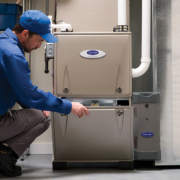
Chicago AC Maintenance Tips: Get Your Air Conditioner Ready for Summer

Chicago summers are hot, humid, and brutal — and the last thing you want is your air conditioner to fail during a heat wave when HVAC companies are booked solid for days. The good news is that with the right maintenance, you can significantly reduce the risk of AC breakdowns, lower your energy bills, and extend the life of your system. This guide covers everything Chicago homeowners need to do to prepare their AC for summer.

Start Early: Schedule a Spring AC Tune-Up

The best time to service your air conditioner in Chicago is April or early May — before the first heat wave hits and before HVAC companies are slammed with emergency calls. A professional spring tune-up typically costs $80–$120 and covers everything needed to ensure your system operates efficiently and reliably all summer.

What’s included in a professional AC tune-up from AMG HVAC:

  • Inspect and clean evaporator and condenser coils
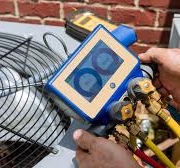
  • Check and top off refrigerant levels if needed
  • Clean and straighten condenser fins
  • Lubricate motors and moving parts
  • Test capacitors and contactors
  • Inspect electrical connections and wiring
  • Test thermostat calibration and operation
  • Clear drain line and condensate pan
  • Inspect and clean blower wheel
  • Check system for refrigerant leaks
  • Test system operation across full cooling cycle

DIY AC Maintenance Every Chicago Homeowner Should Do

1. Change Your Air Filter Regularly

This is the single most impactful thing you can do for your AC system’s performance and longevity. A clogged filter restricts airflow, causing your system to work harder, cool less effectively, and potentially freeze the evaporator coil. In Chicago’s dusty urban environment, filters often need replacement more frequently than the manufacturer’s recommendation.

Filter replacement guidelines for Chicago:

  • 1-inch fiberglass or pleated filter: every 30–60 days during summer
  • 4-inch media filter: every 6–12 months
  • Homes with pets or allergy sufferers: more frequently

Use a MERV 8–11 filter for the best balance of air quality and system efficiency. Avoid MERV 13+ filters unless your system is designed for them — they can restrict airflow in most standard systems.

2. Clean the Outdoor Condenser Unit

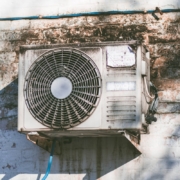
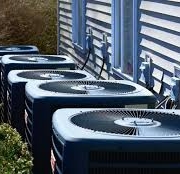
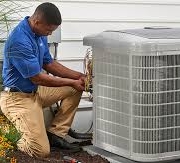
Your outdoor AC unit needs adequate airflow to release heat. After Chicago’s winters, condenser units often accumulate leaves, debris, and cottonwood seed (those white fluffy things that blow around Chicago in late spring) that can clog the fins and restrict airflow.

To clean your condenser:

  1. Turn off power to the unit at the disconnect box and thermostat
  2. Remove the top grille and carefully lift out the fan assembly
  3. Remove debris from inside the unit by hand or vacuum
  4. Using a garden hose, gently spray the fins from the inside out to remove dirt
  5. Never use a pressure washer — it can bend the delicate aluminum fins
  6. Straighten any bent fins with a fin comb
  7. Ensure at least 2 feet of clearance around all sides of the unit

3. Clear the Condensate Drain Line

Your AC system removes humidity from the air, and that water drains through a condensate line. In Chicago’s humid summers, this drain line can become clogged with algae, mold, and debris — causing water to back up and potentially flood your equipment room or trigger an automatic safety shutoff.

To clear the condensate drain: locate the drain line (usually a 3/4-inch PVC pipe near your indoor air handler), pour a cup of diluted white vinegar or bleach solution into the drain pan or access port every month during summer, and ensure the drain line outlet is clear and properly pitched.

4. Check and Seal Ductwork

The EPA estimates that 20–30% of air in a typical duct system is lost due to leaks, holes, and poor connections. In Chicago’s summer heat, this means your AC is working significantly harder than it should to cool your home. Check accessible ductwork in your attic, basement, or crawlspace for obvious gaps or disconnected sections, and seal with mastic sealant or metal-backed tape (not standard duct tape, which fails quickly).

5. Upgrade Your Thermostat

If you’re still using a manual or basic programmable thermostat, upgrading to a smart thermostat is one of the highest-ROI home improvements you can make. Smart thermostats learn your schedule, can be controlled remotely, and optimize cooling cycles to minimize energy use without sacrificing comfort. Chicago utility rebates and federal tax credits can offset much of the cost, and most quality smart thermostats pay for themselves in 1–2 years through energy savings.

Warning Signs Your AC Needs Professional Attention

Don’t wait for a full breakdown. Contact AMG HVAC if you notice any of these signs:

  • Warm air from vents: Could indicate low refrigerant, a failed compressor, or dirty coils
  • Poor airflow: Check filter first, but persistent weak airflow may indicate blower problems or blocked ducts
  • Unusual noises: Grinding, squealing, or banging are never normal — turn the system off and call for service
  • Ice on the unit: A frozen evaporator coil usually means restricted airflow or low refrigerant
  • Water leaks around the indoor unit: Usually a clogged condensate drain, but can also indicate frozen coils thawing
  • High humidity indoors: Your AC should be removing humidity as it cools — if your home feels sticky at normal thermostat settings, your system may be oversized or have refrigerant issues
  • Frequent cycling: If your system turns on and off every few minutes, it may be oversized or have a refrigerant leak

When to Consider AC Replacement Instead of Repair

Like furnaces, air conditioners have a finite lifespan — typically 12–15 years in Chicago’s climate. Consider replacement when:

  • Your AC is 12+ years old and needs a significant repair
  • Your system uses R-22 refrigerant (which was phased out in 2020 and is now extremely expensive)
  • Repair costs exceed 50% of replacement cost
  • Your home has hot spots, humidity problems, or consistently high energy bills that indicate an oversized or inefficient system

Modern high-SEER air conditioners (SEER 16+) are dramatically more efficient than systems from 10–15 years ago. The Inflation Reduction Act provides up to 30% federal tax credit for qualifying high-efficiency AC installations, making this an excellent time to upgrade.

Chicago-Specific AC Considerations

Cottonwood Season (Late May – Early June)

Chicago’s notorious cottonwood season — when white fluffy seeds fill the air — is particularly hard on outdoor AC units. Check your condenser unit weekly during this period and remove any accumulation of cottonwood from the fins and base. A significant cottonwood buildup can cause overheating in a matter of days.

Extreme Heat Events

Chicago has experienced several deadly heat waves, most famously in 1995. During extreme heat events (95°F+), your AC will run nearly continuously. Reduce strain during heat waves by: setting your thermostat no lower than 76–78°F, using ceiling fans to improve perceived comfort, closing blinds on south and west-facing windows during afternoon hours, and avoiding heat-generating activities (cooking, laundry) during the hottest part of the day (2–6pm).

Window Units vs. Central AC

Many Chicago apartments and older homes still rely on window AC units. While less efficient than central systems, properly sized and maintained window units can cool a room effectively. If you’re thinking about upgrading from window units to central AC or ductless mini-splits, AMG HVAC provides free estimates and can help you evaluate the right solution for your Chicago home or building.

Ready to Prepare Your Chicago AC for Summer?

Don’t wait until your AC fails during July’s first heat wave. Schedule your spring tune-up now with AMG HVAC Chicago and get your system ready for whatever summer throws at it.

Call (773) 562-6632 or email [email protected] to schedule your AC maintenance appointment. Available 24/7 for emergency AC repair throughout Chicago and the Chicagoland area.

When to Replace Your Furnace in Chicago: The Complete Guide

Chicago winters are no joke. With temperatures regularly dropping below zero and windchill pushing the “feels like” temperature to -20°F or colder, your furnace isn’t just a comfort appliance — it’s essential for your family’s safety. But how do you know when it’s time to replace that aging furnace rather than pay for yet another repair? This guide will walk you through the key signs, cost considerations, and what to expect from a furnace replacement in Chicago.

The 15-20 Year Rule

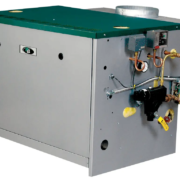
Most gas furnaces have a functional lifespan of 15–20 years with proper maintenance. If your furnace is approaching or past this age, it’s time to start planning for replacement — even if it’s still running. Here’s why: older furnaces lose efficiency year over year, and a 20-year-old furnace that was originally rated at 80% AFUE (Annual Fuel Utilization Efficiency) may now be operating at 60–65% or less. Modern high-efficiency furnaces operate at 95–98% AFUE, which means a significant portion of your gas bill is essentially wasted with an aging system.

The 50% Rule

When your furnace needs a repair, ask yourself: is the repair cost more than 50% of the cost of a new furnace? If a repair quote comes in at $1,500 and a new furnace installation is $3,500, the math often favors replacement — especially if you have an older unit that will likely need additional repairs in the coming years.

This calculation becomes even clearer when you factor in: the energy savings from a new high-efficiency unit ($400–$800 per year in gas savings is common), the peace of mind of a new system warranty (typically 10 years on parts and heat exchanger), and the reduced risk of mid-winter emergencies.

Warning Signs Your Chicago Furnace Needs Replacement

1. Frequent Breakdowns

If your furnace has needed repairs twice or more in the past two years, it’s likely entering a cycle of declining reliability. Like an old car, furnaces can hit a point where repairs multiply — the blower motor goes, then the heat exchanger cracks, then the gas valve fails. Each repair buys a little more time, but the underlying issue is age and wear.

2. Rising Energy Bills

Have your natural gas bills increased significantly over the past few winters, even accounting for price increases? This is often a sign that your furnace is losing efficiency. A properly functioning furnace should maintain consistent efficiency throughout its life with regular maintenance. If your bills are climbing without a corresponding increase in gas prices or usage, your furnace may be working harder to achieve the same heating output.

3. Uneven Heating Throughout the Home

If some rooms are consistently colder than others, or your home takes a long time to reach the set temperature, your furnace may be losing capacity. Aging heat exchangers and declining blower performance can lead to reduced heat output and circulation. Note: uneven heating can also be caused by ductwork issues, so it’s important to have a professional diagnose the root cause.

4. Yellow or Flickering Pilot Light

A healthy furnace flame should be steady and blue. A yellow, orange, or flickering flame can indicate incomplete combustion, which may mean your furnace is producing carbon monoxide — a serious safety hazard. If you notice this, shut off your furnace immediately and call a licensed HVAC technician. This issue sometimes warrants immediate replacement, particularly if the heat exchanger is cracked.

5. Strange Noises

Unusual sounds from your furnace — banging, popping, squealing, or rattling — are never normal and always warrant inspection. Banging or popping when the system starts or shuts off may indicate duct expansion (less serious) or delayed ignition (more serious). Squealing often points to a failing blower motor bearing. Rattling can indicate loose components or a cracked heat exchanger.

6. Excessive Dust, Soot, or Dry Air

An aging furnace may struggle to properly filter and humidify the air it circulates. If you notice increased dust accumulation, soot around vents, or unusually dry air in your home (causing static electricity, dry skin, or aggravated allergies), your furnace may be part of the problem.

7. The Furnace Runs Constantly

Your furnace should cycle on and off to maintain your set temperature. If it’s running nearly continuously during cold weather but your home still isn’t reaching the desired temperature, the furnace is undersized or has lost significant capacity due to age.

What Does Furnace Replacement Cost in Chicago?

In the Chicago market, furnace replacement costs typically range from $2,800 to $6,500+ installed, depending on:

  • Furnace efficiency rating (AFUE): Standard 80% AFUE units are least expensive; 96–98% AFUE units cost more upfront but save significantly on gas bills
  • Furnace brand: Major brands like Carrier, Trane, Lennox, and Rheem are all quality options at different price points
  • System size: Based on your home’s square footage and heat load requirements
  • Installation complexity: Venting requirements, existing ductwork condition, and electrical connections all affect labor costs
  • Additional components: Humidifiers, smart thermostats, and air purifiers can be added during installation

High-Efficiency vs. Standard Efficiency Furnaces for Chicago

Chicago’s long heating season (October through April) makes the investment in a high-efficiency furnace especially worthwhile. A 95% AFUE furnace typically costs $800–$1,500 more than an 80% AFUE unit, but the annual gas savings of $300–$700 (depending on your home’s size and current efficiency) mean you’ll recoup the additional cost in 2–5 years — and enjoy lower bills for the remaining 15+ years of the furnace’s life.

Additionally, high-efficiency furnaces (90%+ AFUE) use PVC pipe for venting rather than metal flue pipe, which simplifies installation in many Chicago homes and eliminates the risk of chimney flue deterioration affecting furnace performance.

Planning for Furnace Replacement — Don’t Wait for a Crisis

The worst time to replace your furnace is when it stops working at 10pm on a January night when temperatures are forecast to drop to -10°F. Emergency furnace installation under those circumstances is stressful, expensive (if same-day service is even available), and limits your ability to compare options and prices thoughtfully.

If your furnace is 15+ years old, schedule a professional inspection now — before heating season — and get a replacement quote. This gives you time to compare options, take advantage of rebates, and schedule installation at your convenience rather than under emergency conditions.

Available Rebates and Incentives for Chicago Homeowners

Installing a high-efficiency furnace in Chicago may qualify you for:

  • Nicor Gas Rebates: Up to $600 for qualifying high-efficiency furnace replacements
  • People’s Energy Rebates: Similar rebates for Peoples Energy customers
  • Federal Tax Credits: The Inflation Reduction Act provides up to 30% federal tax credit (up to $600) for qualifying high-efficiency HVAC installations
  • ComEd Rebates: For heat pumps and dual-fuel systems

AMG HVAC will help you identify and apply for all applicable rebates when you schedule your furnace replacement.

Ready to Replace Your Furnace in Chicago?

AMG HVAC provides free, no-pressure in-home estimates for furnace replacement throughout Chicago and the Chicagoland area. Our licensed technicians will evaluate your current system, measure your home’s heating needs, and provide you with clear options at every efficiency and price level — with honest guidance on what makes the most sense for your specific situation.

Call (773) 562-6632 to schedule your free furnace consultation, or email [email protected]. Available 24/7 for emergency service throughout Chicago, IL.